伊豆大島・波治加麻神社:神話と歴史の深奥へ、苔むす参道が誘う神秘の島
vibration
VIBRATION WORLD | 現代陰陽師 | スピリチュアルサイト
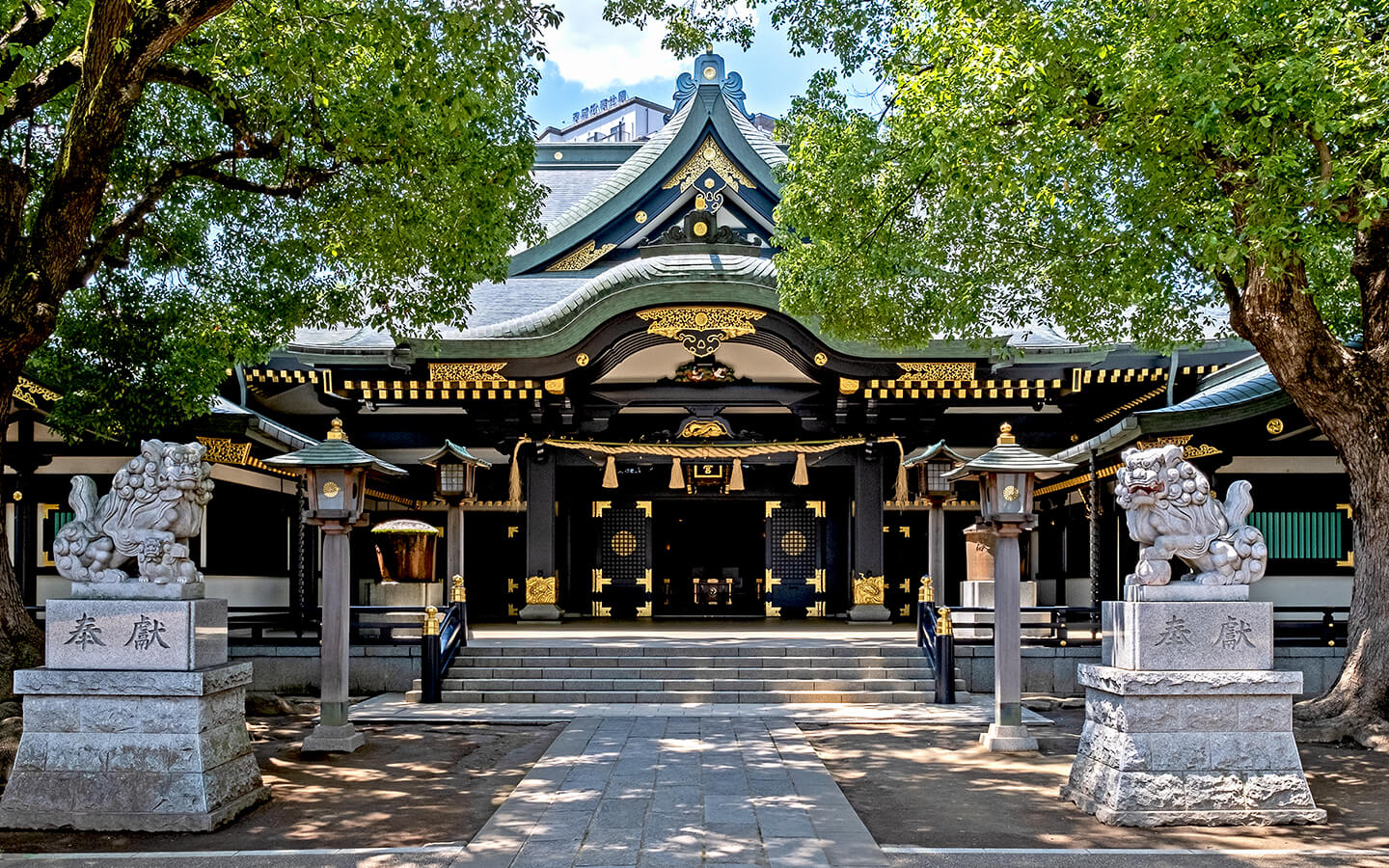
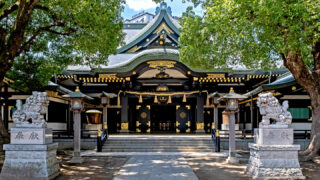
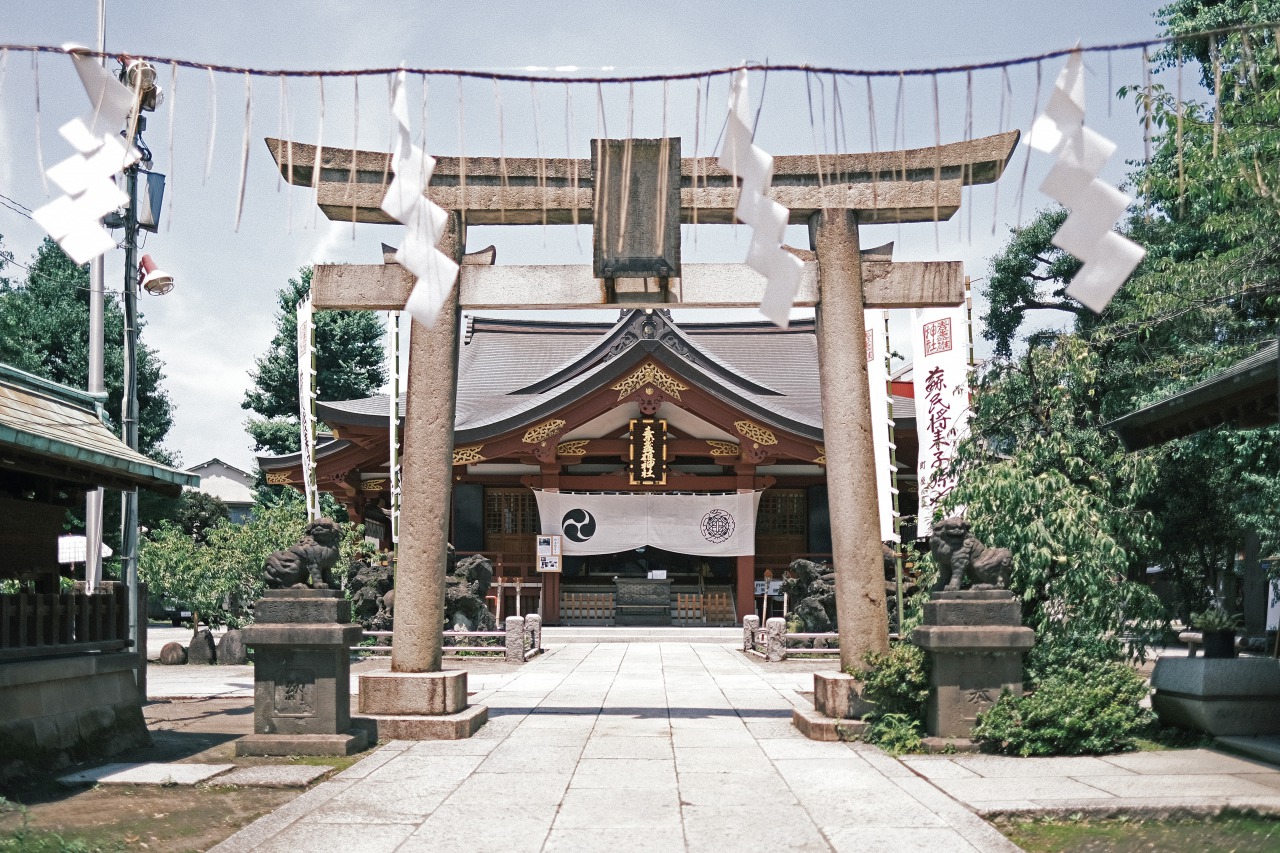
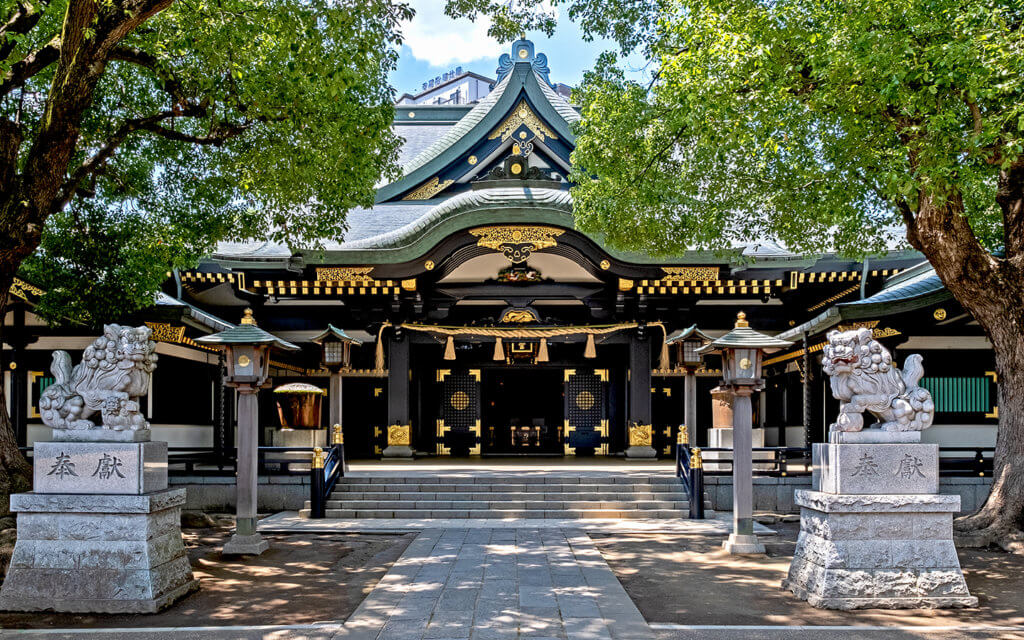
東京都新宿区西早稲田に鎮座する穴八幡宮は、都心にありながら豊かな緑に囲まれた、静謐な雰囲気を漂わせる神社である。地下鉄東西線早稲田駅からほど近く、アクセスも容易なことから、地域住民のみならず、多くの参拝者が訪れる。
歴史は古く、古墳の上に建立されたという説や、江戸時代に発見された金銅の御神像を起源とする伝承など、数々の物語に彩られている。穴八幡宮は、地域を守護する鎮守としての役割に加え、金運向上を願う人々から厚い信仰を集める「一陽来復」のお守りでも知られている。
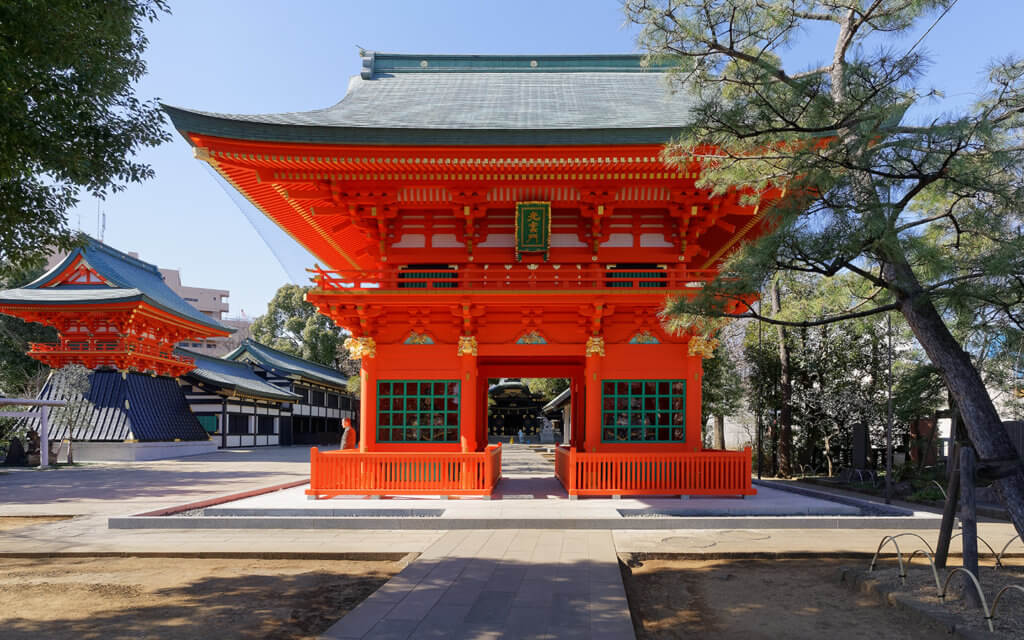
The place where Anahachimangu sits is on a small hill adjacent to Waseda University. It has been pointed out that there may have been a large group of burial mounds in this area in the past, and the prevailing theory is that the precincts of Anahachimangu were also built on the front and rear mounds. Kofun is a tomb built by ancient people for powerful and influential people, and the fact that a shrine was built on top of it shows that this place was recognized as a sacred place since ancient times.
Examples of shrines built on top of burial mounds can be found throughout Japan. It is believed that ancient people worshipped the burial mounds as a place where the spirits of their ancestors dwelled, and built shrines to admire their spiritual power. In the case of Anahachimangu Shrine, it can be said that by erecting a shrine on top of the burial mound, it has inherited spiritual power from ancient times and played a role as a guardian deity of the region.
In the background of the construction of the shrine on the burial mound, there is also an aspect of the fusion of ancient beliefs and Shintoism. The ancients believed that the gods dwelt in nature, and worshipped mountains, rivers, and megaliths. Kofun was one of them, and it was revered as a sacred place where the spirits of ancestors dwelled. Shintoism, on the other hand, is a unique religion of Japan and is based on nature worship and ancestor worship. Shinto incorporated the ancient belief of worshiping burial mounds and succeeded in attracting more people as objects of worship by erecting shrines on top of them.
According to the legend of Anahachimangu, the event that gave it its name occurred in the 18th year of Kanei (1641) in the Edo period. At that time, in order to build a hermitage for the palace guard, the shrine priest Yoshiaki was cutting out the foot of the mountain on the south side when he accidentally discovered a side hole. It is said that a bronze statue of a god appeared from the side hole. Liang Jing and the rest of the people were very happy about this event, and they said, "It's a budding degree." Since then, it is said that this place has come to be called "Anahachimangu".
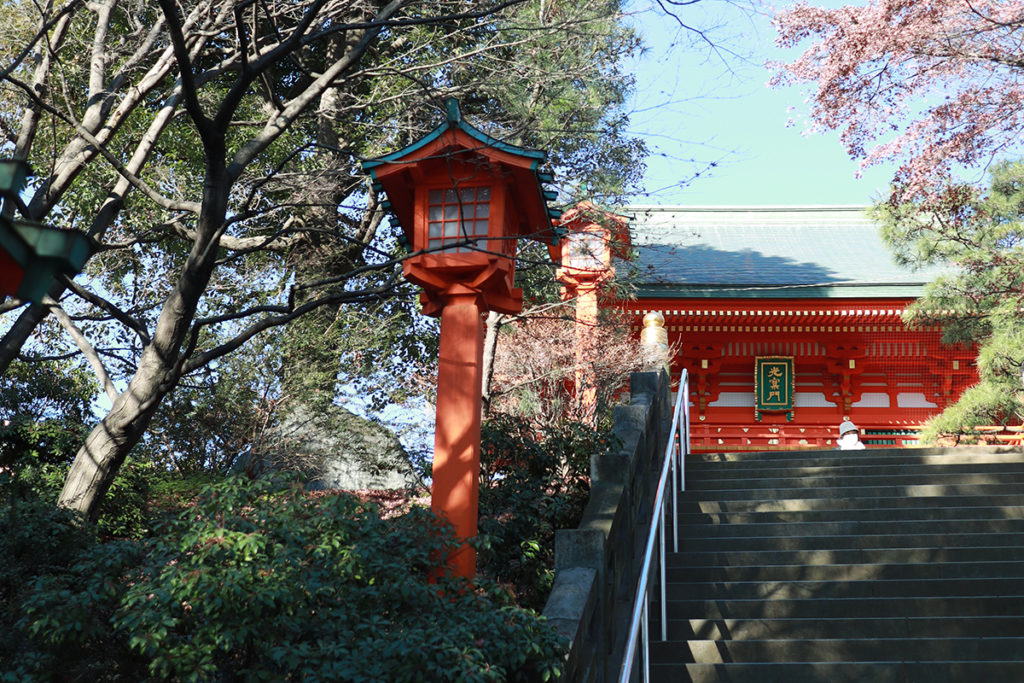
It is highly likely that the side pit where this bronze statue was found was a stone chamber of an ancient burial mound. The stone chamber of the burial mound is a place where the deceased is laid to rest, and various burial goods are often stored. The gold and bronze statue of the god is also thought to have been one of the burial goods.
The discovery of the bronze statue of the god brought great surprise and joy to the people of that time. This is because the gold and bronze statue of the god was an object of Buddhist worship, and its discovery showed that the power of Buddhism was reaching this land. In addition, the gold and bronze statues of the gods also played a role in captivating people's hearts and increasing their religious beliefs due to their beauty.
In the Edo period, Anahachimangu developed under the patronage of the Tokugawa shogun family. In particular, the third shogun, Tokugawa Iemitsu, made Anahachimangu the Shogunate's prayer hall and the chief protector of Johoku. As a result, Anahachimangu established itself as an important religious institution of the Edo shogunate.
It is thought that the background to the patronage of the Tokugawa shogun family was the expectation of its spiritual freshness. At that time, the Edo shogunate used various religions to control the people. Anahachimangu was one of them, and it was used to increase the faith of the people and the authority of the shogunate.
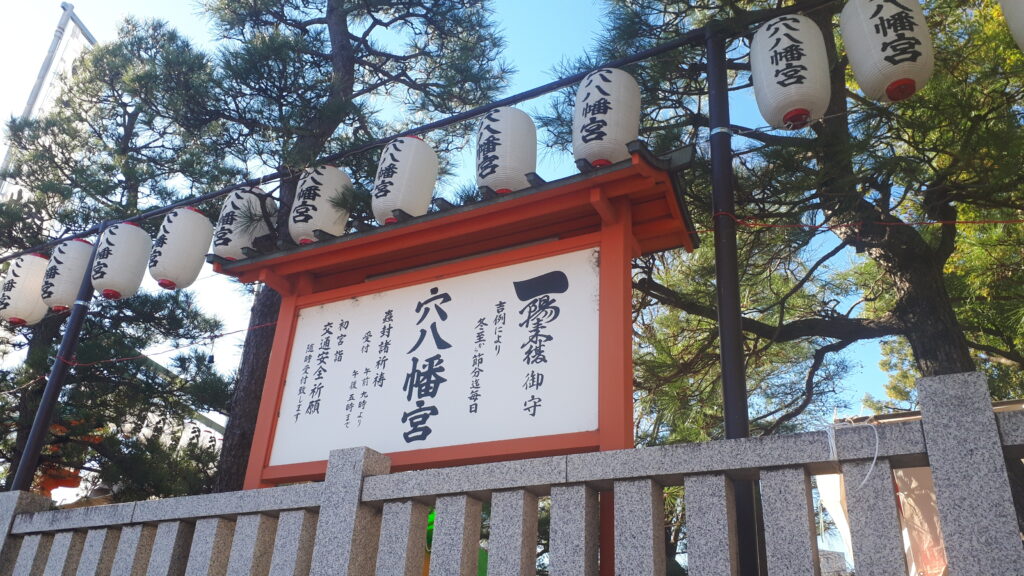
Anahachimangu also has a deep relationship with Takadanobaba as well. In the past, it was called "Takada Hachimangu" as the guardian deity of Takadanobaba . In the 13th year of Kanei (1636), a target was built in this area, and Anahachimangu was made the guardian deity.
The Yabubu horse dedicated by the eighth shogun, Tokugawa Yoshimune, continues to this day as the Takadanobaba ryububu horse, and is dedicated to Anahachimangu on Sports Day (formerly Sports Day, the second Monday of October). Takadanobaba Ryu Kaburuma is designated as an Intangible Folk Cultural Property designated by Shinjuku City, and its tradition is still passed down to this day.
The Takadanobaba Ryu Kabubu was performed as part of the samurai martial arts training, and its dedication indicates that Anahachimangu also gathered the beliefs of the samurai. In addition, Takadanobaba Ryu Kabubu attracted many people due to its gorgeousness, and also played a role in raising the profile of Anahachimangu.
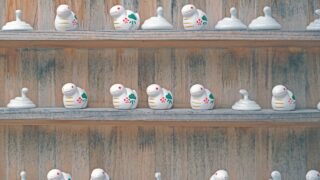
Anahachimangu is also known for its amulet of "Ichiyo Rai Fu", which is deeply believed by people who wish to improve their fortunes. Every year, for about a month and a half from the winter solstice to Setsubun, the normally quiet precincts are so crowded with people who want this amulet.
The term "Yi Yang Lai Fu" originally refers to the 11th month of the lunar calendar, or the winter solstice, because the yin is present in the 10th month of the lunar calendar and the yang first occurs on the winter solstice in November. From there, it came to mean "the end of winter and the coming of spring," "the coming of the new year," and "the heading for good fortune after a series of bad things."
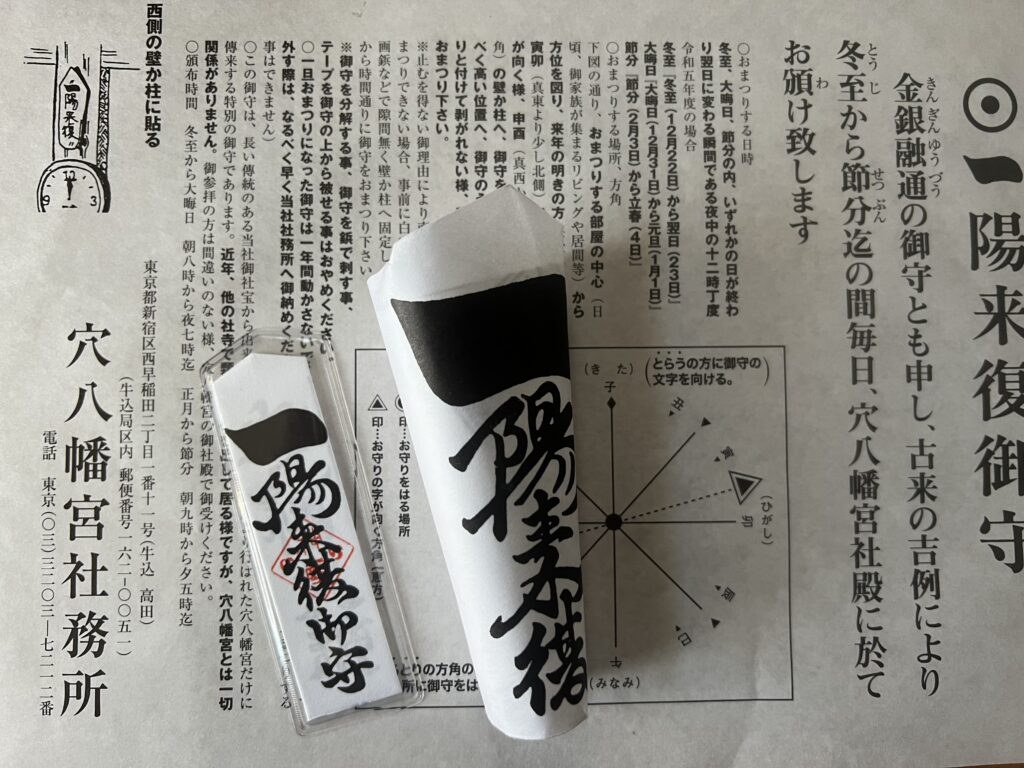
The custom of awarding the amulet of "Ichiyo Raifu" at Anahachimangu has been going on since the Edo period. This amulet is reputed to be effective in improving fortune, and many people visit Anahachimangu in search of its benefits. The amulet is said to have a specified date, time, and direction in which it is displayed on the wall, and it is said that it will be more effective if it is displayed according to the instructions.
It is thought that the meaning of the word is deeply related to the background that the amulet of "Ichiyang Lai Fu" is said to be effective in improving financial luck. The phrase "Ichiyang Lai Fu" means to move towards good fortune after a series of bad things, and the word itself has the power to give people hope and courage. In addition, the custom of awarding the amulet of "Ichiyo Rai Fu" has been going on since the Edo period, so its history and tradition give people a sense of security and trust.
Anahachimangu has undergone various changes over the course of its long history, but its faith has not diminished even in modern times, and it supports the hearts of many people. In particular, in recent years, with the spread of the new coronavirus, the entire society has been covered with anxiety and a sense of stagnation, and the amulet of "Ichiyo Raifu" of Anahachimangu has attracted more and more attention.
The words "Ichiyang Lai Fu" are exactly the words that are perfect for the current situation, and many people find hope and courage in this talisman. Anahachimangu will continue to play its role as a place of people's hearts in modern society, while preserving its long history and traditions.
Summary
Anahachimangu is a mysterious place that sits on top of an ancient burial mound, and is a shrine steeped in history and faith, with traditions originating from a gold and bronze statue of a god discovered in the Edo period. Under the patronage of the Tokugawa shogun family, he is known for his "Ichiyo Rai Fu" amulet, which is deeply believed by people who wish to improve their fortunes, while having a connection with the Takadanobaba Ryu Kaburuma. Even in modern times, Anahachimangu continues to support the hearts of many people without diminishing its faith, and its existence teaches us the weight of history and the power of faith.