常陸国の神々・御岩神社・光の柱立つ聖地へ神秘の霊山・御岩山で潜在能力を開花
vibration
VIBRATION WORLD | 現代陰陽師 | スピリチュアルサイト
鹿島神宮。関東地方屈指の古社であり、日本建国・武道の神として崇敬を集めるこの場所は、ただ参拝するだけでなく、その周辺に点在する一之鳥居を巡ることで、より深く、そして多角的に神社の霊験と歴史、そして自然の息吹を感じ取ることができます。
本記事では、鹿島神宮の東西南北に位置する一之鳥居の詳細な情報に加え、その歴史的背景、スピリチュアルな意味合い、周辺の見どころ、さらには効率的な巡礼ルートまでを網羅した、完全ガイドをお届けします。
Kashima Jingu Shrine is a venerable ancient shrine located in Kashima City, Ibaraki Prefecture. It is said to have been founded in the first year of Emperor Jimmu (660 BC), and has a long history that its name appears in the Japan Shoki and Kojiki. The main deity is Takemikazuchi Ōkami. Known as the god of thunder and the god of swords, it is said to have benefits such as national protection, martial arts protection, and traffic safety.
Kashima Jingu has been revered by samurai since ancient times, and powerful people of the time, such as Minamoto Yoritomo and Tokugawa Ieyasu, have built and donated shrines. There are many buildings in the precincts, such as the main shrine, the inner shrine, the tower gate, and the martial arts hall, and their majestic appearance overwhelms visitors. The main shrine, in particular, was rebuilt by Tokugawa Hidetada during the Edo period and is gorgeously carved.
Kashima Jingu Shrine is also known as a power spot, and there are special places in the precincts, such as Mitarai Pond and keystones. Mitarai Pond is a pond where spring water flows out continuously, and has been used as a place for meditation. The keystone is a stone that is said to have been buried in the ground to calm earthquakes, and is considered to be the source of the spiritual power of Kashima Jingu.
There are important sacred sites not only in the precincts of Kashima Jingu Shrine, but also in the surrounding area. That is the Ichinotorii Gate, which is located in the north, south, east, and west of Kashima Jingu. The Ichinotorii gate serves as a barrier that marks the sacred area of the shrine, and as the entrance to the sacred area, it is the dividing line that separates the sacred space from the mundane world.
It is believed that making a pilgrimage to the Ichinotorii Gate is synonymous with visiting the entire sacred area of Kashima Jingu Shrine, and that you can experience the spiritual experience of the shrine more deeply. In addition, each Ichinotorii is located in a different direction and in a different place, and is said to have a different energy. Therefore, it is said that by visiting each Ichinotorii, you can receive various benefits.
Higashi Ichinotorii: The place where it all began, the wooden torii gate on the Akashi coast
Location: 588 Jinkoji Temple, Kashima City, Ibaraki Prefecture (Akashi Coast facing Kashima Nada)
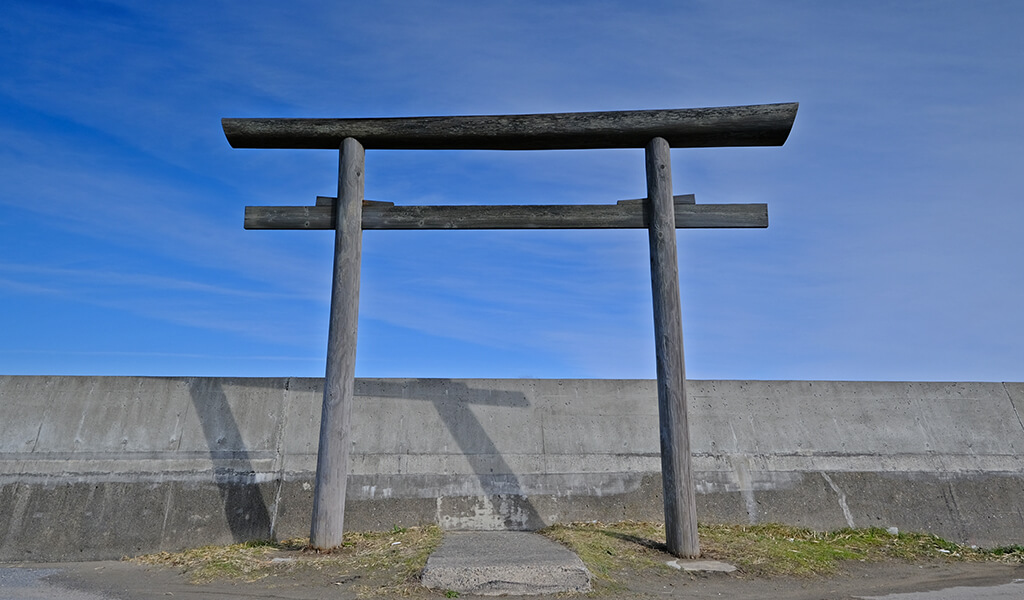
Features: Wooden rustic torii gate. It is said to be the first place that God passes through when he comes up from the sea. Legend has it that it was protected from the tsunami of the Great East Japan Earthquake. It is said to have the power to turn one's life around.
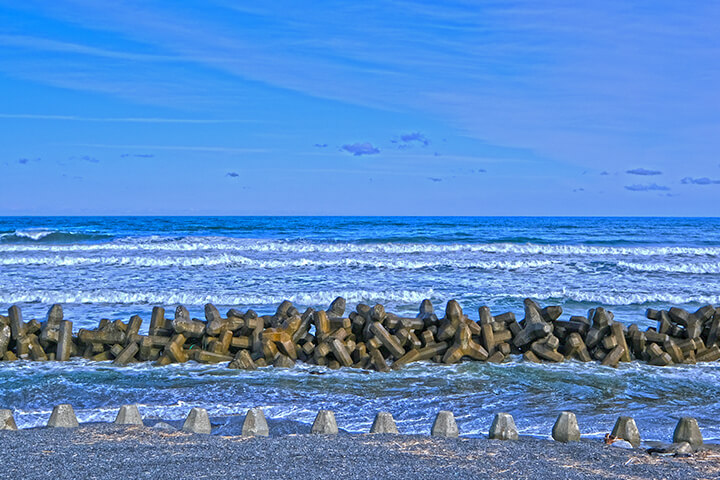
Higashi Ichinotorii is located about 3 km east of Kashima Jingu Shrine on the Akashi Coast facing the Kashi Nada. Unlike other torii gates, it is characterized by a simple wooden structure, and its appearance seems to emphasize harmony with nature rather than artificial beauty.
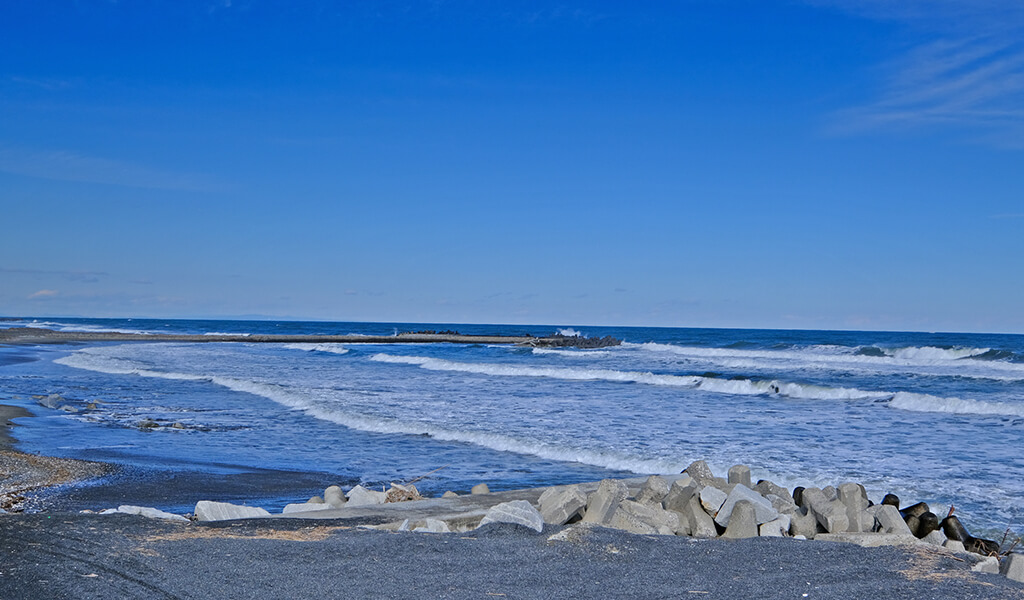
This torii gate is called "the place where it all began" and is a special place for those who want to reach a turning point in their lives and try new things. Standing in front of the torii gate while listening to the sound of the wild waves of Kashimanada will wash your heart and make you feel refreshed.
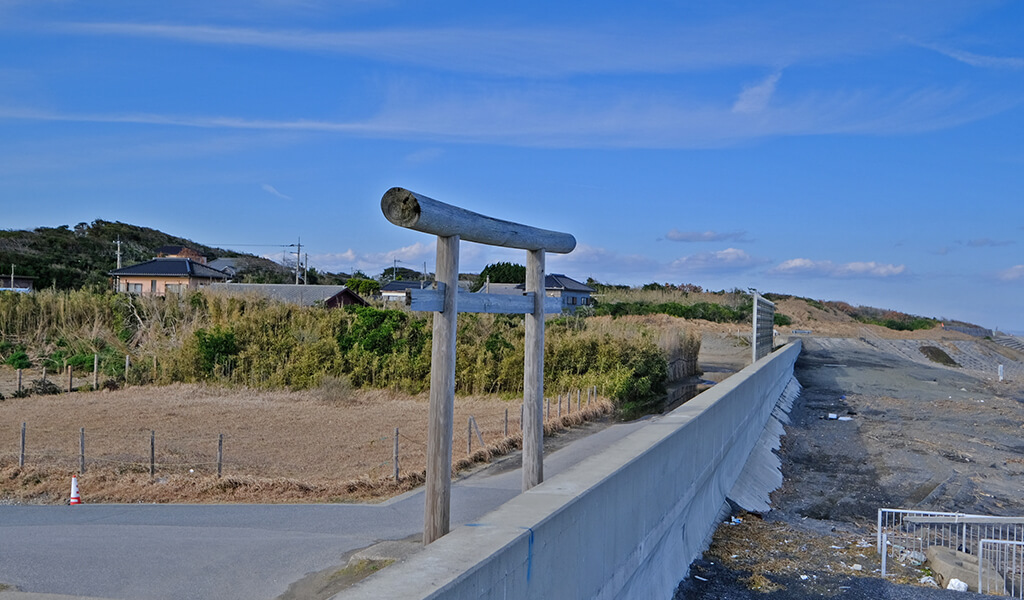
Legend has it that during the Great East Japan Earthquake in 2011, this torii gate was not damaged by the tsunami, even though the surrounding area was damaged by the tsunami. It is believed that this is due to the divine power of Kashima Jingu. Currently, an embankment has been built, and you cannot go through the torii gate directly, but you can climb the stairs to see the view on the other side of the torii.
Nishi Ichino Torii: Towering above the water, it is one of the largest vermilion-painted torii gates in Japan
Location: Ibaraki Prefecture, Kashima City, Ofunatsu 2251 Oki (near Jingubashi)
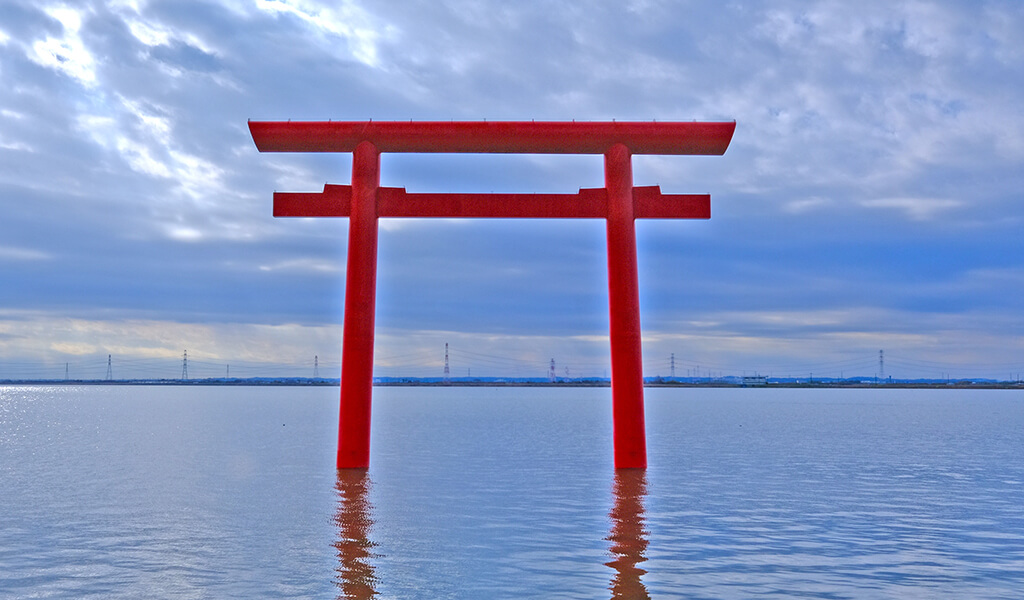
Features: A huge vermilion-painted torii gate standing in the water. It was first built in the Kamakura period. Tokugawa Hidetada dedicated it together with the shrine. It is one of the largest floating torii gates in Japan.
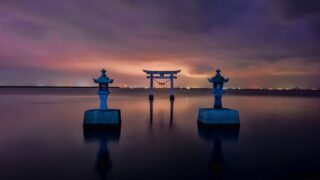
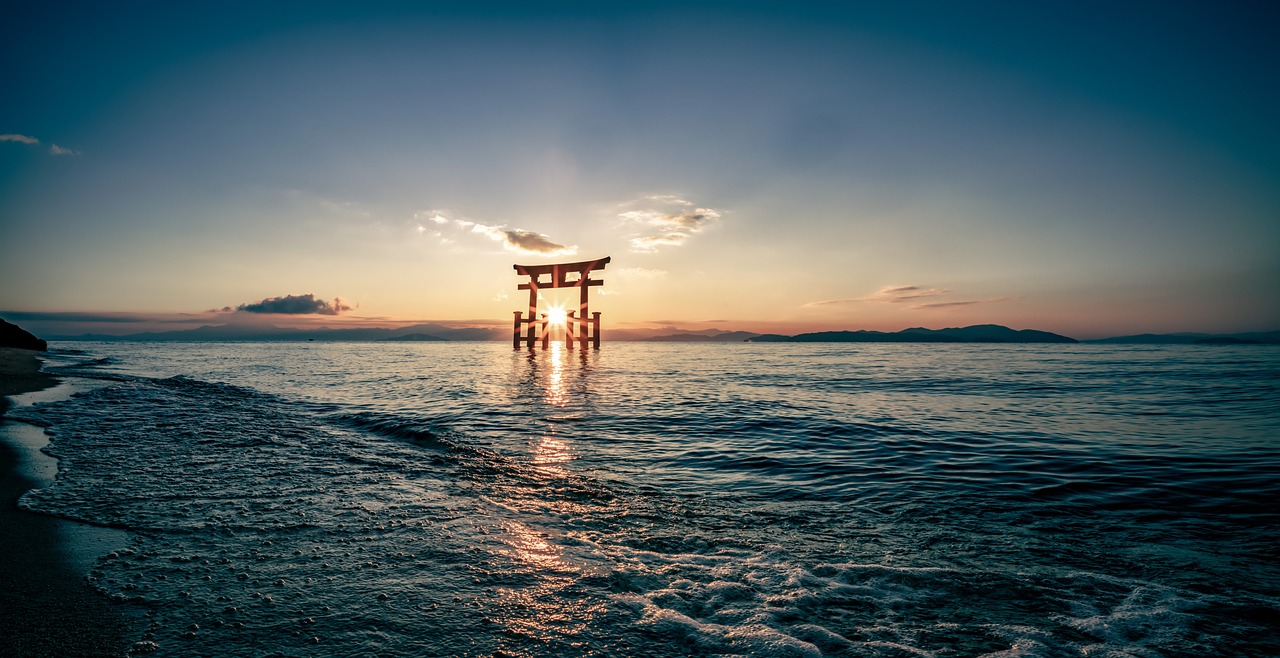
The Ichinotorii Gate in the West is located at the gateway to Kashima Jingu Shrine, and when you cross the Jingu Bridge, you will see its huge figure. The vermilion-painted torii gate is reflected in the water, creating a fantastic scene, like the entrance to a temple floating on a lake.
This torii gate is said to have been built in the Kamakura period by the ninja monks because the uplift of the land in Kashima made it impossible for ships to come and go near the Mitarai Pond. Later, in 1618, the second Tokugawa shogun, Hidetada, dedicated it together with the shrine, and it has played an important role as the gateway to Kashima. The current torii gate was rebuilt in 2013 and is 18.5 meters high from the bottom of the water and 22.5 meters wide, making it one of the largest floating torii gates in Japan.
The Ichinotorii Gate in the West is said to have benefits such as prosperous business and family safety, and is visited by many worshippers. Especially at dusk, the torii gate illuminated by the setting sun is beautifully reflected on the surface of the water, and you can enjoy a breathtaking view.
Ichinotorii in the south: The torii gate of the Susu Shrine, a key point of water transportation on the Tone River
Location: 2882 Susu, Kamisu City, Ibaraki Prefecture (Susu Shrine)
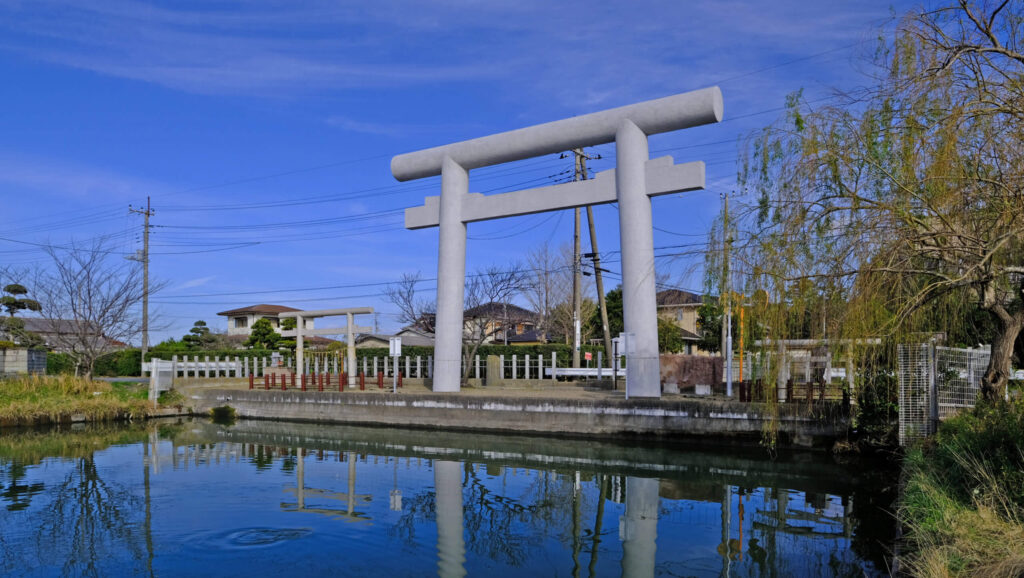
Features: As the southern torii of Kashima Jingu Shrine, the torii gate of Susu Shrine is substituted. It is located along the Tone River and is said to be a place where dragon gods come and go.
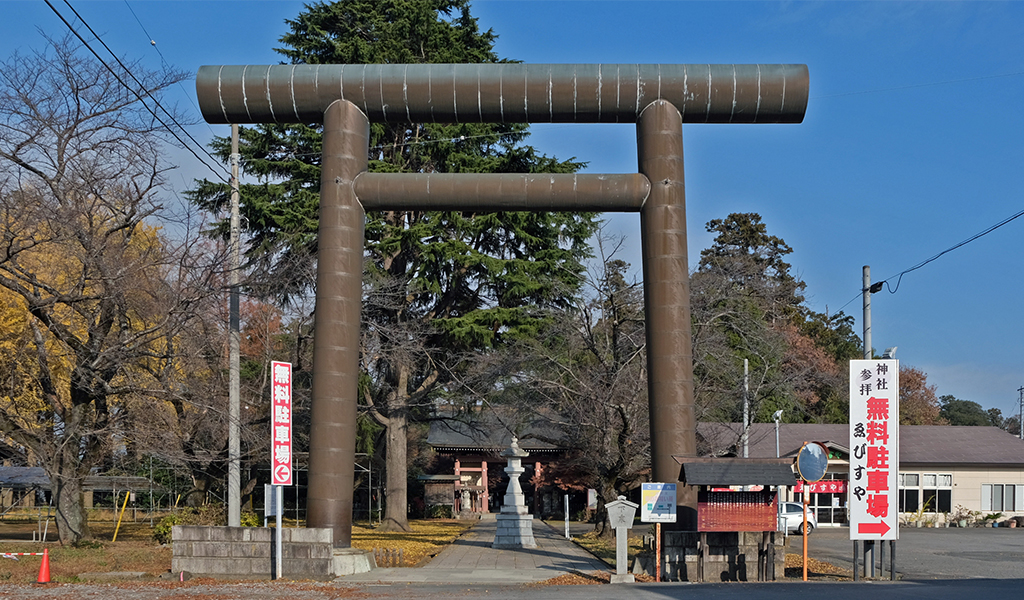
The southern Ichinotorii gate is not located in the precincts of Kashima Jingu Shrine, but the torii gate of Susu Shrine, which is located south of Kashima Jingu, plays that role. Along with Kashima Shrine and Katori Shrine, Susu Shrine is one of the three shrines in the Eastern Kingdom, and has been revered as the god of water transportation since ancient times.
The torii gate of the shrine is located along the Tone River and has played an important role as a key point for water transportation since ancient times. The Tone River has been used as an important waterway for transporting people and goods since ancient times, and the Susu Shrine has been worshipped by many people as a place to pray for its safety.
The Ichinotorii gate in the south is said to have benefits such as traffic safety and travel safety, and is especially worshipped by people engaged in water-related work, such as sailors and fishermen.
Ichinotorii Pilgrimage Model Course: Efficient Pilgrimage Route and Time Required
To make a pilgrimage to the Ichinotorii gate of Kashima Jingu Shrine, it is convenient to travel by car.
Time required: Approximately 3 hours (including worship time and rest time at each torii gate)
Kashima Jingu Shrine and its surroundings have much more to offer than just the Ichinotorii Gate.
Kashima City has a lot of delicious local food.
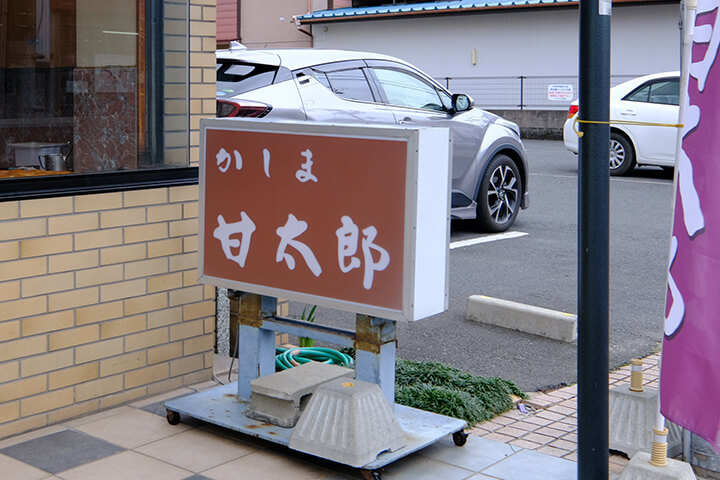
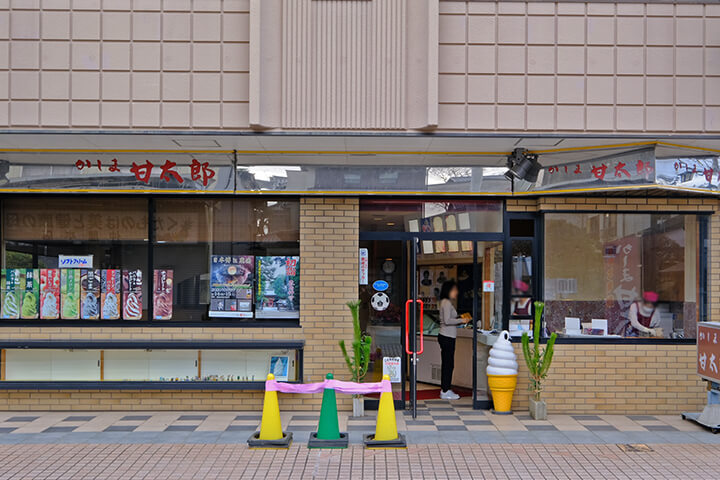
Kantaro Kashima's large-format grill A popular store in a shopping street near Kashima Jingu Shrine.
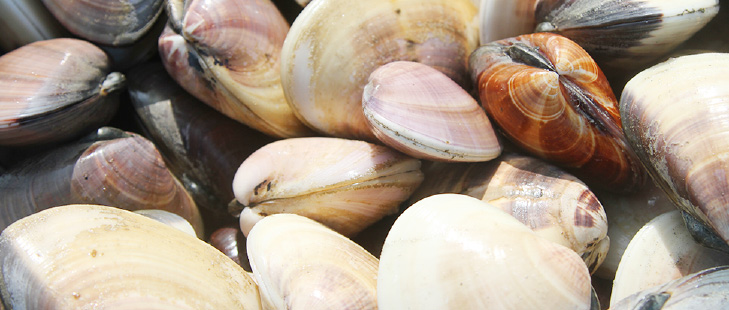
Kashima Nada is a tuna, a fresh tuna caught in Kashima Nada.
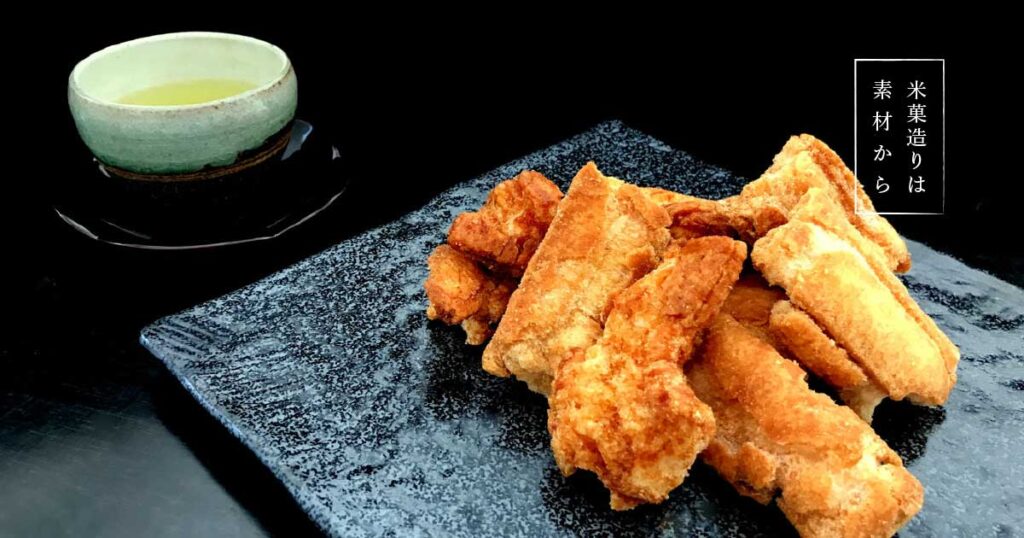
Kashima Rice: Delicious rice grown in Kashima City.
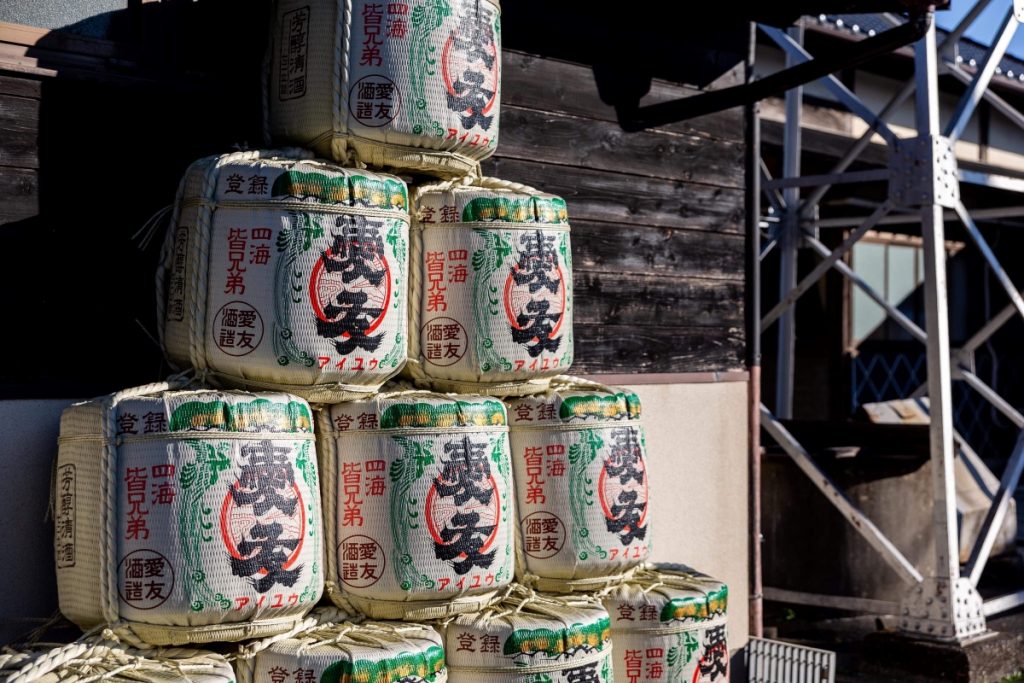
Local sake, a local sake made at a sake brewery in Kashima City.
Summary: Kashima Jingu Ichino-Torii Pilgrimage, a pilgrimage to a sacred place that transcends time and space
The Ichinotorii Pilgrimage to Kashima Jingu is not just a tour of the torii gates, but also a pilgrimage to sacred places that transcends time and space, where you can feel their historical background, spiritual meaning, and the breath of nature.
By visiting each Ichinotorii gate, it is synonymous with visiting the entire sacred area of Kashima Jingu, and you will be able to experience the spiritual experience of the shrine more deeply. By all means, please try the Ichinotorii pilgrimage to Kashima Jingu Shrine and experience new discoveries and excitement.