明治神宮:国民の熱意が結実した聖地、100年かけて育まれた奇跡の杜
vibration
VIBRATION WORLD | 現代陰陽師 | スピリチュアルサイト
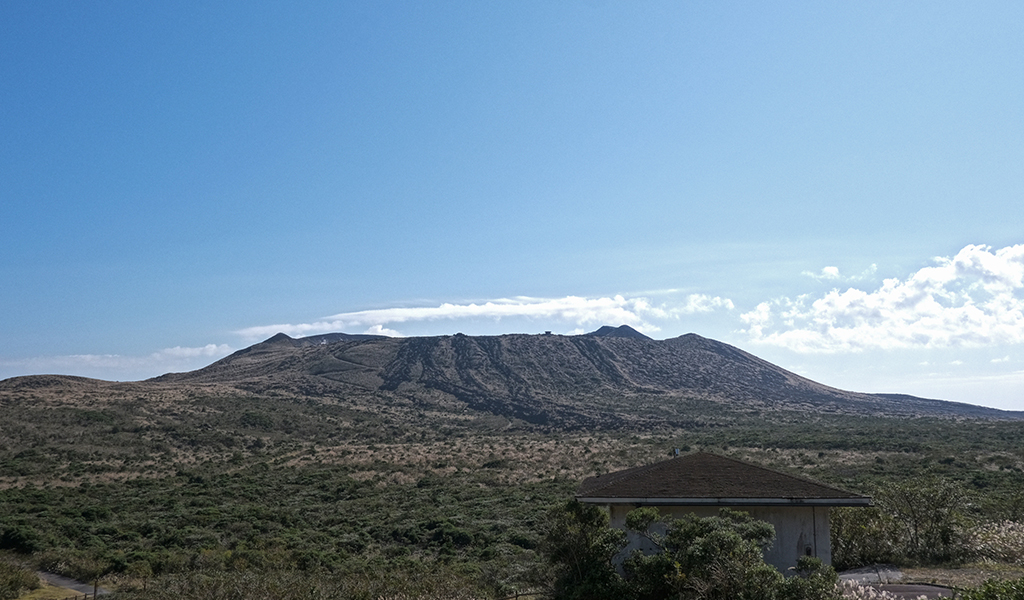
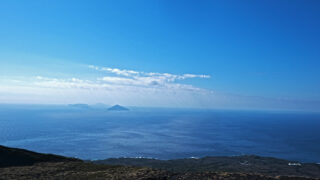
One of the Izu Islands, Izu Oshima is a special place colored by its volcanic activity and mythology. The ancient traditions of the gods are linked to the island's natural environment and fascinate visitors. How have people built their lives in the harsh nature brought about by volcanoes?
In this special issue, we will focus on the Miyakeki, which is located in the center of the volcanic island, and explore the effects of volcanic activity and the wisdom of people's lives. In addition to the powerful natural environment, what kind of history and culture have been formed in this land where myths and folklore are alive?
Let's unravel its appeal. Stay tuned for more.
The Izu Islands are known as a tourist destination blessed with scenic scenery and abundant nature, but deep down there is the faith and history of the islanders who have lived in harmony with volcanic activity. Of particular note is the myth of the Izu Islands, the Miyake Chronicle. This is a rare myth in Japan that strongly reflects the belief in the "eruption island god" that deifies the fury of nature called an eruption and sees it as the power to create an island. In this article, we will examine the origins of the volcanic cult of the Izu Islands, the structure of the myth, and its significance in modern times, focusing on the Miyake Chronicle.
The Izu Islands are located at the boundary between the Pacific Plate and the Philippine Sea Plate, and have been subjected to active volcanic activity. In 2000, Mt. Miyakejima and in 1986 Mt. Mihara on Oshima Island erupted on a large scale, forcing all the islanders to evacuate the island. Such eruptions were a harsh reality for the islanders, robbing them of their homes and land, and causing starvation and disease. But at the same time, it was also a force that shaped the island and created a new land.
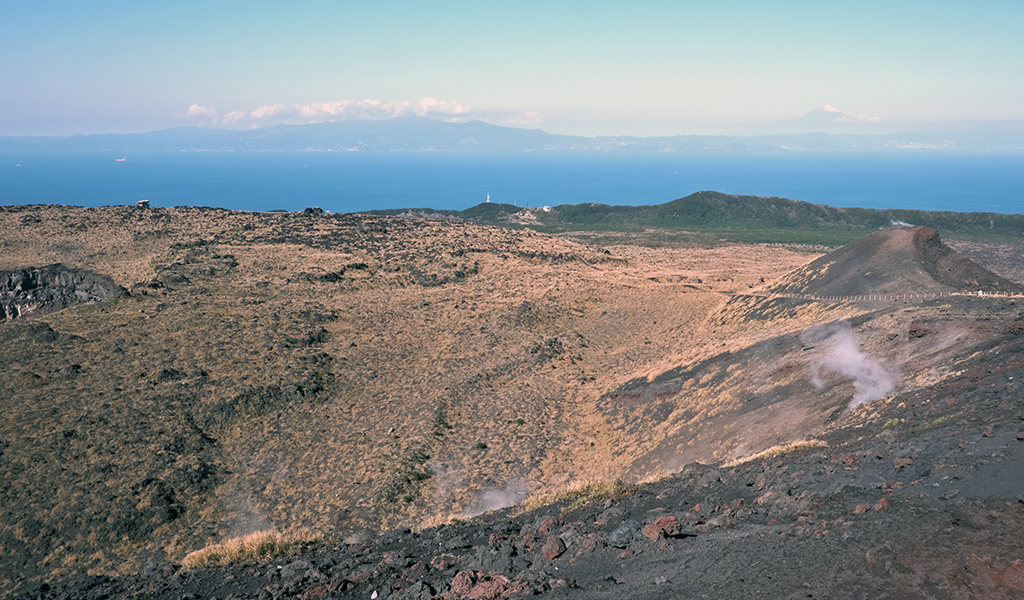
When ancient people witnessed the eruption, a natural phenomenon beyond human knowledge, they were in awe and strongly aware of the existence of a great invisible force, the divine spirit, that existed behind it. This divine spirit is the "Eruption Island God". The islanders believed that the gods would appear in the form of volcanic bombs and lava, worshipped them, enshrined them, and waited for their anger to subside.
The Eruption Creation God is characterized by the fact that he is not just a god of destruction, but also has aspects as a creator god. The earth destroyed by the eruption becomes fertile soil over time, nurturing new life. In addition, the new terrain formed by the eruption creates a unique ecosystem and a rich natural landscape. The islanders have seen the destructive and creative power of the eruption as one, and have worshipped the god of eruption with awe and gratitude.
One of the most important myths of the Izu Islands is the Miyake Chronicle. The "Miyake Chronicle" is called by various names such as "Mishima Daimyojin Enki", "Miyakejima Yakushi Enki", and "Shirahama Daimyojin Enki" depending on the place where it is held. It is thought to have been established from the Kamakura period to the Muromachi period, and the story is that Yakushi Nyorai transformed himself into the god Mishima, created the islands of Izu with the gods, and then managed the islands with his family.
The structure of "The Book of Miyake" is characterized by the complex intertwining of three elements: myth, legend, and historical fact. The mythological part depicts the birth of the islands and the activities of the gods, while the legend part tells a story about a particular place or person. And in the historical facts section, you can find descriptions of historical events and people.
The Miyake Chronicle is thought to have been reconstructed as a new myth based on several myths and legends that originally existed. It is said that the intention behind this was that the rulers of each island tried to use mythology to consolidate their control and show off their power. In addition, one of the factors that led to the establishment of the Miyakeki was the need for a story that clarified the status and relationship of the gods in response to the gods positioned by the rulers in the group of islands.
It is believed that the prototype of the "Miyake Chronicle" was the "myth of the god Mishima" of an earlier era. Mishima is a god worshipped in a wide area, including the Izu Islands, and its origins date back to ancient times. The god Mishima was depicted as a being who possessed overwhelming divine power and people were in awe of and obeyed him. This relationship between God and man was an exemplary figure for the rulers of the time.
In addition, it was essential for people to help each other in order to live in a harsh natural environment. As a result, the guardian deities of the village, such as the "clan god," "the guardian god," and the "god of the earth," appeared, and began to gather the faith of the people.
In the islands, there was a need for a narrative that revealed the status and relationship of the gods in response to the gods positioned by the rulers. This became the prototype of the "Myth of the Three Islands," and after that, the rulers of each island were required to create a new myth based on multiple myths and legends that had been handed down in order to consolidate their dominance and wield power. As a result, it is believed that the "Mishima God Myth" was modified and established as the "Miyake Chronicle".
The world depicted in "The Book of Miyake" remains strongly in the modern Izu Islands. In Oshima, eruptions are called "Gojinka", lava flows are called "flows", craters used to be called "Mihora", and now they are called "holes". This is evidence that the belief in the god of eruption-building islands has been passed down from ancient times to the present day.
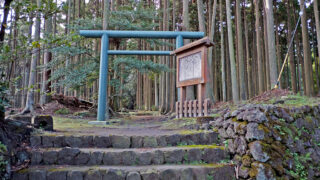
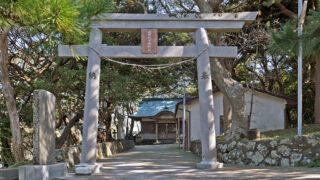
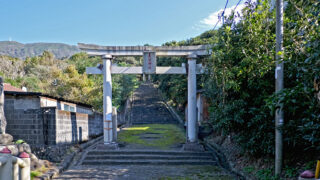
In addition, there are many shrines dedicated to the gods who appear in the "Miyake Ki" in various parts of the Izu Islands. These shrines have served as a place of inspiration for the islanders and have played a role in strengthening the unity of the local community.
In recent years, volcanic activity has increased again in the Izu Islands, and the islanders are constantly under threat of eruptions. However, on the other hand, the new topography and ecosystems formed by the eruption have increased their value as a tourist resource.
While cherishing their belief in the eruption god of the island, the islanders aim to live in harmony with nature and build a sustainable society.
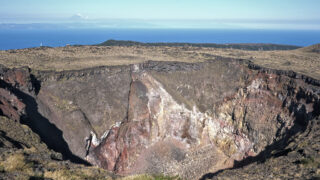
Mt. Mihara, the symbol of Oshima, has been revered as a symbol of the eruption-building god of the island. The 1986 eruption caused large amounts of lava to flow from the summit, forcing the islanders to evacuate. However, this eruption was also an opportunity to reaffirm our faith in Mt. Mihara.
The islanders did not see the eruption as a mere disaster, but as an anger and warning from the gods, and prayed for the appeasement of the gods through rituals and prayers. In addition, the new terrain formed by the eruption has increased its value as a tourist resource and has come to be visited by many tourists.
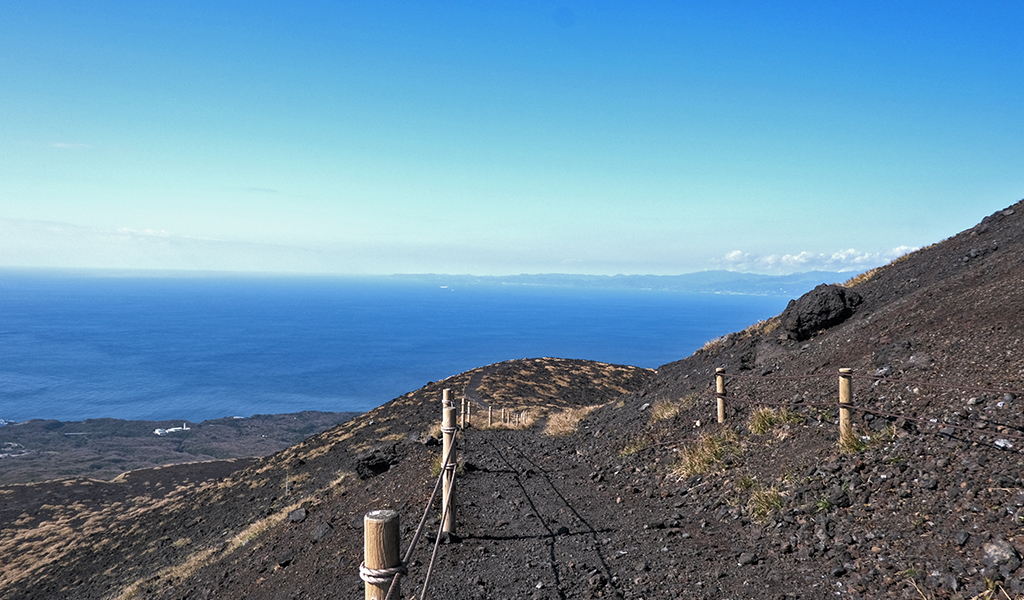
The "Bowl Tour" near the central crater of Mt. Mihara is a popular course where you can see the crater up close. As you walk along this trail, you can feel the pulse of the earth and feel a sense of awe for the god of eruption.
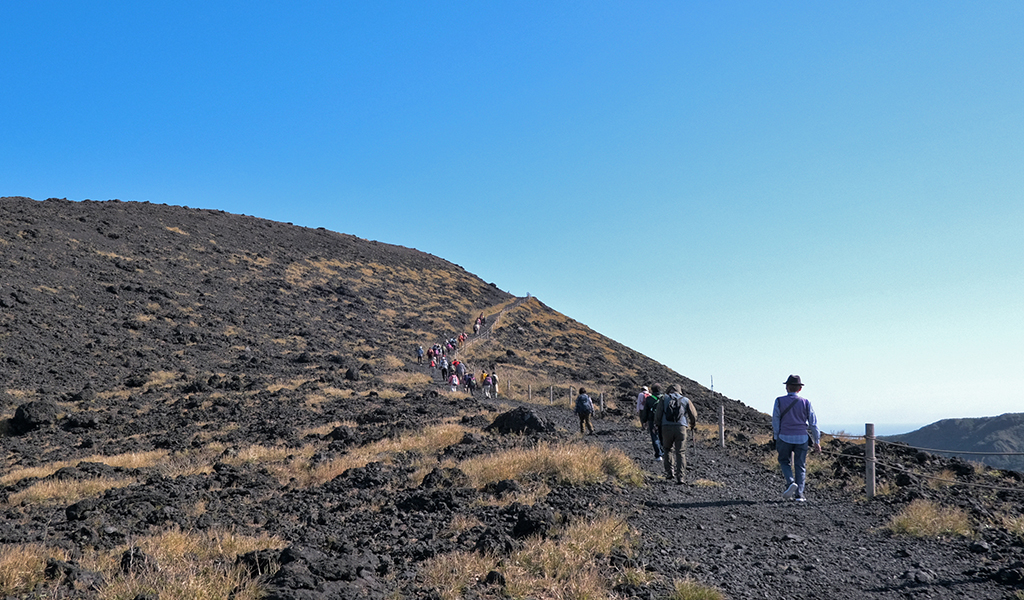
The cult of the eruption god in the Izu Islands has played an important role in shaping the spiritual climate of the volcanic archipelago. By deifying the natural fury of eruptions and viewing them as a source of creativity, the islanders have adapted to the harsh natural environment and developed their own culture.
The Miyake Chronicle is a myth that tells the story of this belief and has played an important role in shaping the identity of the islanders. Even in modern times, the world of "Miyakeki" lives on, and the islanders aim to build a sustainable society in harmony with nature, while cherishing their belief in the eruption god of the island.
The volcanic beliefs of the Izu Islands give us hints on how to build a sustainable society without forgetting our reverence for nature. It is important to continue to deepen research on the volcanic beliefs of the Izu Islands and to widely disseminate their significance.